
Canberra White Footed House Ant Pest Control
Canberra white footed house ant pest control provides effective solutions to manage and eliminate infestations. Our Canberra ant control services cover pest management for white footed house ants and other common pests to protect your home and garden.
Call Now!
Preventing White Footed House Ant Infestations
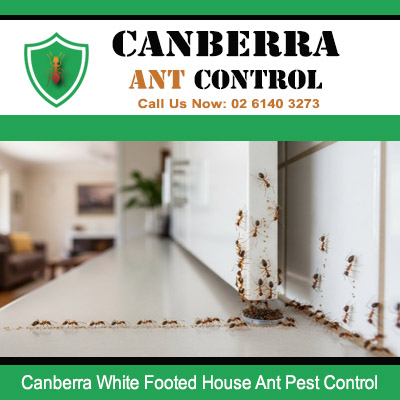
White footed house ants are common household pests in Canberra. These small insects often enter homes through cracks, crevices, gaps, and voids around the perimeter. They use openings in walls, doors, windows, pavers, and soil to find nesting sites. Inside, they build tunnels and nests and create ant trails that show there is an infestation. Knowing how these ants find entry points and setting up strong barriers can lower the risk of a colony forming in your home. Regular upkeep of pavements and walls helps stop these insects from getting in, protecting your property from unwanted ant colonies.
What are some common entry points for these ants?
The Canberra white footed house ant usually enters homes through small cracks and crevices around the perimeter. These include gaps in walls, doors, windows, and foundations. Voids and spaces between pavers or soil near the house can also serve as entrances. Ant colonies use these openings to build nests and tunnels inside. Ant trails often appear near these entry points. Because these ants are small, even tiny gaps let them into your home. Controlling these access points is important to manage household pests and reduce the risk of an ant infestation.
How can I seal cracks and crevices around my home?
Sealing cracks and crevices creates a strong barrier against white footed house ants. Follow these steps:
- Check walls, doors, windows, foundations, and gaps carefully for any openings.
- Use weather stripping on doors and windows to close gaps tightly.
- Apply caulking around window frames, door jams, and foundation cracks to seal voids.
- Maintain building structures regularly to stop new cracks from forming.
- Consider termite barriers and pest control treatments for extra protection.
- Clean dust and debris from pavers and soil near your home to reduce hiding spots.
Pest control services in Canberra can advise on effective ant control and help keep your home protected. Regular sealing and upkeep lower the chance of ant colonies entering and building nests inside.
Are there plants that deter ants?
Certain plants can help keep ants away naturally and support a healthy garden. Adding these plants to your landscaping or garden can reduce ant colonies near your home:
- Herbs like mint and rosemary work as natural repellents.
- Flowers such as marigolds can break up ant trails.
- Plants with strong scents, including lavender, help keep ants away.
- Coconut shells or seeds scattered in garden beds may lower ant activity.
Using plants that deter ants supports good environmental care and yard maintenance. Although green head ants are a different species, growing healthy plants can reduce invasive ant species. Good property management includes choosing plants that help with pest control naturally without harsh chemicals.
Should I maintain a clean yard to discourage nests?
Keeping a clean yard is key to stopping white footed house ants from nesting on your property. Follow these tips for yard maintenance:
- Remove debris, rubbish, garden waste, and mulch often.
- Do not leave food scraps outside as they attract ants and other pests.
- Control moisture around your lawn and garden since damp places are good for nests.
- Keep landscaping tidy and cut back overgrown plants near your home’s perimeter.
Good yard care lowers habitats for ant colonies and cuts the risk of infestation. Combining clean yard habits with other pest management methods improves home protection. Canberra pest control experts recommend ongoing environmental care as an important part of stopping household pests like ants.
Have you seen ants come back after sealing cracks? Share your experience or ask questions below. Canberra Ant Control offers expert advice and proven ways to keep your home free from pests.
Identifying A White Footed House Ant Problem
How can I distinguish these ants from other types?
The Canberra white footed house ant is a small ant species. It has pale feet, which makes it different from other common ants. Bull ants and meat ants are much bigger and more aggressive. White footed ants are smaller and less harmful but can still be a problem in homes. People often confuse them with odorous house ants because they are about the same size and live in groups, but their antennae and colour are slightly different. White footed ants usually have a dark body with lighter feet. In comparison, black house ants and brown ants are all dark or reddish-brown.
Other ants in Canberra, like pharaoh ants, banded sugar ants, and carpenter ants, vary a lot in size, colour, and where they build nests. For example, carpenter ants are larger and live in wood, while pharaoh ants are tiny and yellowish. When crushed, white footed ants give off a faint sweet odour, which helps to identify them.
Knowing these features helps you tell the Canberra white footed ant apart from invasive species and other social insects found in the area.
What are the signs of an infestation inside my home?
If you have a white footed house ant infestation, you might see many ants inside your property. You could find ants crawling on kitchen cupboards, pantry shelves, or near food, especially sweet food. These ants leave trails when they travel between their nests and food. You might see these trails on floors, walls, and counters.
Inside your home, the ants may build nests in small cracks, holes, or behind baseboards. Dust, rubbish, or leftover food in pantries can attract them. A growing number of ants inside your house usually means the colony is getting bigger. White footed ants do not damage buildings, but they can contaminate food and create an unpleasant odour.
If you notice these signs early, it is best to act quickly to stop the colony from growing inside your home.
Where do they typically build their nests?
White footed house ants usually build nests both outdoors and indoors. Outside, they like to nest in soil under pavers, in cracks and crevices in gardens, or in lawns. They prefer moist and sheltered places near building edges or inside small gaps in structures.
Inside the home, these ants use tiny spaces in walls, under floors, or behind furniture to set up nests. They can also nest underground or inside bark in garden areas. This helps them move easily between outside and inside spaces.
Knowing where these ants usually build nests helps to control and stop infestations in homes and businesses.
Are there specific areas in Canberra where these ants are more prevalent?
In Canberra, white footed house ants live in many suburbs. They are more common in places like Tuggeranong, Farrer, Woden, Belconnen, Griffith, and Queanbeyan in the ACT. These ants do well in urban and residential areas where the climate and environment give them food and shelter.
The number of ants depends on local ecosystems, garden care, and home conditions. They become more active in warmer months, which increases the chance of infestations. Because they can adapt easily, white footed ants are a frequent problem across Canberra’s suburbs.
People living in these higher-risk areas should watch out for these pests to protect their homes from infestations.
Have you seen ants in your home recently? Share your experience or questions below so we can provide better advice for you!
Effective Treatment Options for Infestations
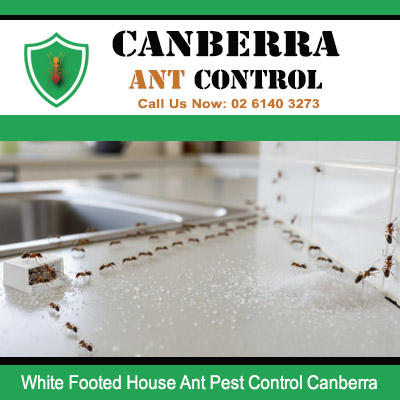
What are the benefits of professional pest control?
Professional pest control has many benefits, especially for dealing with pests like the Canberra white footed house ant. Licensed pest control companies have the knowledge and experience to identify the type of ant and use the best treatment methods. This helps to remove ants more effectively and stops them from coming back.
Using professional Canberra pest services means treatments follow Australian rules. This keeps chemical use safe and lowers harm to the environment. Customers trust these services because they offer reliable results with satisfaction guarantees.
Professional pest management provides solutions made for each specific problem. Experts use special ant pest control products and methods that are not sold to the public. Choosing a licensed pest control company also lowers risks from using insecticides wrongly and includes checks or follow-up treatments if needed.
Can I use DIY treatments safely and effectively?
DIY pest control can be safe and work well for small ant problems or to support professional treatments. Many household pests, including some ants, can be controlled using eco-friendly spot treatments like gels and baits made for home pest control.
To use DIY ant control safely, read and follow product instructions carefully, especially about using chemicals. Picking insecticides marked safe for home use protects your family, pets and the environment. Gel baits and spot treatments are good choices because they target ants directly and reduce overall chemical use, which is better for the environment.
But DIY methods may not work well for big infestations or nests that are hard to reach. In these cases, it’s best to call professional pest management to make sure the ants are completely removed and won’t come back.
Which insecticides are most effective against this species?
For the Canberra white footed house ant, insecticides in gel or bait form are the most effective. These products attract ants, which then carry the poison back to the colony and kill it over time.
The success of these insecticides depends on how they are made and used. Licensed pest control operators use approved products that follow Australian regulations to keep safety and effectiveness high. Common active ingredients are fipronil and hydramethylnon. These work well against ants while reducing harm to other insects.
Choosing the right chemical depends on knowing the ant’s habits and thinking about the environment. Professional pest control companies can help pick the best insecticide for lasting control.
What are the environmental considerations when treating for ants?
Protecting the environment is important when dealing with ants, especially in the Canberra ecosystem. Using chemicals should be balanced to keep native species safe and protect natural habitats.
Where possible, use eco-friendly and non-toxic treatments. This lowers the risk of damage to helpful insects and prevents pollution in soil and water.
When controlling invasive ants like the white footed house ant, it is important to use methods that target only the pests and do not harm the wider environment. Licensed pest control experts understand this and apply treatments that support environmental care.
By choosing trusted pest management services and green treatments, homeowners help keep Canberra’s nature safe while getting rid of ants.
Have you tried any pest control methods at home? Share your experience or ask questions below! For expert advice, consider consulting licensed professionals to ensure safe and effective ant pest control.
Understanding the Behavior of White Footed House Ants
What is their diet and how do they find food?
White footed house ants in Canberra are common household pests. They mainly like sweet foods such as sugar and honey. These ants search for food by following scent trails left by other ants. This helps them find food in places like kitchens and pantries. As social insects, they use odour signals to lead other ants to food. You might see them near sugary spills, crumbs, or uncovered containers. Using bait that smells like their favourite food can help control them. Knowing how they look for food can help stop them from getting into stored food and reduce their numbers at home.
How large can their colonies grow?
A white footed house ant colony can grow quite large. Colonies have a queen, many worker ants, and young ants. The queen lays eggs to keep the colony growing. Worker ants take care of the nest, look for food, and care for the young ants. They usually build nests indoors in dark, damp places. The size of the colony depends on the habitat and how much food is around. Bigger colonies mean more ants searching for food and living in the house, which can cause bigger problems.
What is their life cycle and breeding habits?
White footed house ants go through four stages in their life cycle: egg, larva, pupa, and adult. The queen mates once and then lays eggs for many months, helping the colony grow. Worker ants come out of pupae and do daily tasks in the colony. Breeding happens inside the nest, and new queens and males grow at certain times of the year. Sometimes, a part of the colony with a queen and workers leaves to start a new nest nearby. This way of growing helps the ants spread quickly. That is why it is important to control them early.
Are they more active during certain seasons?
These ants are more active when the weather is warm, especially in summer. Warm temperatures make their life cycle faster and increase their numbers. White footed house ants may be active at night to avoid heat and danger. Changes in weather and temperature affect how and when they are active. Knowing when they are most active helps in planning the best time to control them.
Do you notice white footed house ants in your pantry or kitchen? Share your experience or ask questions below to learn more about managing these pests. For expert advice for Canberra homes, Ant Control Canberra is ready to help.
Sources:
- Australian Museum – Ant Behaviour and Ecology. australian.museum
- CSIRO Entomology – Life Cycles of Household Ants. csiro.au
The Impact of Canberra's Climate on Ant Populations
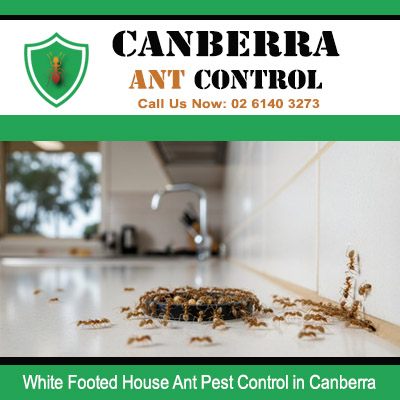
How does the weather affect their activity and spread?
Canberra’s climate affects ant activity and how their populations grow. In summer, higher temperatures make ants more active. Warm weather helps them find food and speeds up breeding. Moisture is also important. Wet weather allows ants to build nests and move around easily. Dry weather can slow their movement and growth.
Ants in Canberra are most active when it is warm and moist. Sometimes, they become active at night to avoid the hot daytime heat. Their breeding usually happens in spring and summer when the weather conditions help ants grow faster. Knowing how weather changes affect ants helps with pest control in Canberra. Watching temperature and moisture helps predict when ants might cause problems.
What role does Canberra's ecosystem play in supporting them?
Canberra’s ecosystem gives ants places to live and food to eat. The area has many native plants, insects, birds, rodents, and spiders that interact with ants. Some native animals eat ants and help keep their numbers low. But invasive ant species can do well because they have fewer natural predators.
Gardens and landscaping in Canberra can provide good homes and food for ants if not kept tidy. Protecting the environment by caring for native plants and animals helps control ant numbers naturally. This balance supports healthy habitats and lowers ant problems in homes and yards.
Are there specific suburbs in Canberra more at risk?
Some Canberra suburbs have a higher chance of ant infestations because of their environment and local climate. Suburbs like Tuggeranong, Farrer, Gungahlin, Belconnen, Woden, and Griffith often report more ant problems.
These areas might have warmer spots, certain soil types, or thick plants that support large ant populations. The land and nearby human activity also affect where ants live. Pest control in Canberra should focus on these areas using the right treatments and regular checks to reduce ant numbers.
What steps can be taken for environmental stewardship?
Taking care of the environment is important for pest control in Canberra. People can use eco-friendly treatments that control ants but do not harm the environment. Simple tasks like keeping yards clean, removing plant debris, and planting native plants can help keep ants away.
Using plants that ants dislike can help with yard care without needing many chemicals. Teaching the community about using different pest control methods encourages safe and responsible action. Cutting down on pesticide use protects native plants and animals. Following these steps helps Canberra residents control ants while protecting nature.
What are the common signs of white footed house ant infestation in Canberra homes?
You may see small lines of ants inside or outside your house, especially near food or damp cavities. These ants often make nests in solid places like walls or floors. They are common in bonded strata units and suburban areas around the ACT.
How can I control invasive white footed ants in my household?
Check your home regularly for entry points like cavity walls and damp spots. Use professional pest control services to treat nests and ant trails. Acting quickly helps stop bigger infestations, especially where introduced species are common.
What other pests are found with white footed ants in Canberra homes?
You may also find spiders like huntsman, redback, funnel, and trapdoor spiders. Bees, wasps, rodents, and moths are also common. Using pest control that deals with several pests at once helps keep your home safe.
What pest control options exist for white ant and general pest problems in Canberra?
Affordable options include baiting, trapping, and caring for the environment. Professionals offer treatments for both inside and outside your home. They aim to reduce pests fast while protecting the environment.
Can strata and bonded communities get special pest control?
Yes, strata complexes need plans to manage pests like white ants, rodents, and invasive species. Regular checks and feedback help protect shared areas well.
How do Canberra’s environment and buildings affect pest control?
The local weather, suburbs, and local animals affect pests’ habits. Damp cavities and solid structures are good places for nests. Pest control focuses on these areas to stop pests from living there.
Is it normal to see yellowish, orange, or white ant-like ants near Canberra homes?
Yes, coastal brown ants and yellowish ants are common and can look like white ants. It is important to identify the ants correctly so the right treatment can be used.
How do I ask for pest control and get a quick response?
Contact trained pest control experts who know Canberra pests well. Tell them what kind of pest you have, where they are, and your property type. This helps them plan inspections and treatments quickly.
Canberra White Footed House Ant Pest Control Insights
- We provide strong pest control solutions for Canberra pest problems, including the invasive Technomyrmex difficilis, also called the white-footed house ant. This ant is a growing issue in Australia, especially in NSW and Canberra.
- Different types of Technomyrmex ants, such as strata, quantum, buttery, and beehive, form large colonies that can enter homes and businesses. They are common in coastal areas and cities like Weston and Canberra.
- The white-footed house ant often nests in small holes or empty spaces inside buildings. Sealing these cavities and using the right insecticide helps stop these ants from coming inside.
- Other ants like the black ant and coastal brown ant look similar but need different treatment. It is important to identify them carefully to control the problem well.
- Our trained staff carry out full checks of the site to find ant colonies and understand their habits. This helps us give the right advice and treatments for each situation.
- Technomyrmex ants have adapted well from Australian climates. This shows how tough they are and why expert help is needed to keep homes and businesses safe.
- Checking and maintaining properties regularly is important to keep ants away. This is especially true in areas with yellowish sandy soil, where ants often live. Keeping all entry points sealed stops more ants from getting in.
- We use tested insecticides and smart pest control methods to break the life cycle of the white-footed house ant and other local ants. This ensures lasting protection for homes and workplaces.
- Knowing the habits of Technomyrmex ants, which prefer warm and humid climates like those in Australia, helps us plan good control methods for both indoor and outdoor infestations.
- To manage pests well in Canberra, we handle all common ant species and their environments. Our full services protect your property from new ant invasions with trusted local knowledge. Latitude: -35.28125457023595, Longitude: 149.13061311350612